Sleek Packaging, Adaptability & ECRM Land This Sun Care Brand on Retail Shelves 6/24/2026

Everyone who has seen Baywatch instantly recognizes the red rescue can – the bright red, hard-plastic lifeguard rescue buoy used in open water patrols to keep victims afloat. It’s featured in the iconic run you see at the start of a Baywatch episode or commercials for the series, in the hands of the oiled up actors jogging along the beach.
So when I saw these rescue cans pop up in the form of Sun Care products from Lifeguard at ECRM’s recent Sun Care Session, they instantly grabbed my attention. As it turns out, the sleek design of these products by Lifeguard caught the attention of buyers at ECRM’s Beauty Sessions earlier this year as well, leading to three retail deals already and more on the way.
In addition, the brand was recently ranked No. 25 on RangeMe’s Top Brands in Health & Beauty Care listing in May, and won a Drug Store News Buyers Choice Award for its products at ECRM’s Health Care Session, which was also held with Sun Care as part of ECRM's Health & Beauty Care Growth Week. .
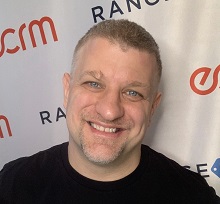
It was at this Session where I caught up with Won Yoo, who has leveraged an iconic aesthetic reminiscent of classic coastal culture and paired it with state-of-the-art South Korean skincare science to transform the Lifeguard brand from a boardwalk apparel staple into a rising star on the shelves of major US retailers. You can watch our full video interview on YouTube below or listen to the audio on our podcast, Winning Pitches with RangeMe & ECRM (Episode 61).
From Boardwalk Apparel to Skin Protection: Lifeguard’s Origin Story
The Lifeguard name carries deep roots in American coastal subculture. Registered in the United States since 1951, the brand spent decades operating primarily as a lifestyle clothing label. For generations of beachgoers and pool visitors, the bold Lifeguard logo was synonymous with the apparel found in surf shops and seaside boardwalks.
However, the team behind the brand recognized an unfulfilled mission built right into its name. A lifeguard's true purpose is to protect people, and in the modern wellness landscape, that protection must extend to the skin.
"This is a licensed brand,” says Yoo.”It started in New York City and was registered in the United States since 1951, but it was mostly T-shirts and hoodies and flip-flops in the beachside and pool. But then we wanted to expand into the role of protecting our skin. It's super important to protect skin to avoid skin cancer. I knew the licensor from a long time ago. He wanted to do it, but he was more of an apparel guy or music industry guy. So he needed to find somebody who could manufacture this and put it to life."
This partnership represents a classic retail synergy: combining a visionary brand curator who understands culture, aesthetics, and consumer lifestyles with an operational powerhouse capable of managing intricate global supply chains, chemical compliance, and mass manufacturing.
Global Manufacturing Meets K-Beauty Science
To bring this new vision of sun protection to life, Lifeguard bypassed traditional domestic manufacturing channels in favor of tapping into one of the world's most sophisticated cosmetic ecosystems: South Korea. Renowned globally for pioneering K-Beauty innovations, South Korean labs offer a level of formulation sophistication and packaging craftsmanship that allows Lifeguard to stand out significantly on Western retail shelves.
The brand’s technical capabilities are extensive, allowing them to oversee production from the raw chemical stage up to the structural design of their custom containers. "We are a manufacturer in South Korea,” says Yoo. “We also have manufacturing facilities in China and Vietnam. But this is the first endeavor in the US to do a full lifestyle brand."
Lifeguard’s Hero Product Portfolio
Lifeguard's product line balances highly functional active sun defense with everyday outdoor skincare solutions. Its core product portfolio seamlessly bridges functional sun defense with targeted skincare solutions tailored for active outdoor lifestyles.
The anchor of the brand is its sunscreen lotion, which is available in both SPF 30 and SPF 50 variations across three distinct sizes: 8 fluid ounces, 5 fluid ounces, and a highly practical 3-fluid-ounce travel size that features an integrated D-ring designed to hang conveniently from a backpack. Its yellow aloe sunscreen variant is richly infused with hyaluronic acid and protective vitamins extracted from seaweed native to an island in South Korea.
To address the post-sun routine, Lifeguard developed a specialized, non-stripping sunscreen remover that effectively rinses away residual block and environmental buildup while thoroughly clearing out pores without depleting the skin's natural moisture.
Complementing these seasonal sun care items is a year-round selection of everyday therapeutic over-the-counter essentials tailored for surfing, swimming, and general outdoor adventures, including an anti-itch cream, a hydrocortisone cream, and a vitamin A and D cream specifically formulated to soothe insect bites and skin irritation.
The Power of Retail Adaptability: Lessons from the ECRM Floor
Following a corporate re-structuring in 2024, Lifeguard officially launched its sun care lineup in 2025. The brand immediately brought its products to ECRM Beauty Sessions to connect directly with retail buyers. It was here that the brand’s core philosophy of extreme operational flexibility was tested and proven.
Many emerging brands approach retail buyers with set product sizes, packaging configurations, and pricing models. Lifeguard took the exact opposite approach, viewing buyer meetings not just as sales pitches, but as real-time consumer research laboratories.
"Not every retailer has the same group of customers,” says Yoo. “Everybody has different tastes. So some require a value pack of a bigger size, some require smaller sizes. We have to take the ideas in and then create different SKUs and also redesign the packaging based on feedback from the ECRM Session. We exchange ideas there."

Rethinking the Box: A Case Study in Packaging Innovation
One of the most notable examples of Lifeguard's responsiveness involved their retail display strategy. Initially, the brand shipped its premium bottles inside individual cardboard boxes. However, feedback from the retail floor indicated that the striking, vibrant, Baywatch-esque design of the bottles themselves was their strongest point of sale. Hiding the sleek containers inside uniform outer boxes muted their visual impact on the shelf.
Rather than discarding their shipping architecture entirely, Lifeguard engineered a multi-functional alternative: a custom shipper box that converts instantly into a compact, attractive counter or shelf display. "We thought it would be better to lose the box and display it as a bottle,” he says. “Instead of getting the individual box, we got the shipper box. We could cut out the top and then just the product itself could be a display at the store. We could then stack it up."
By omitting individual outer cartons and optimizing the shipper box, Lifeguard reduced packaging waste, lowered material costs, and provided retailers with an out-of-the-box merchandising solution that drastically saves shelf-stocking time.
Navigating the Corporate Retail Landscape
This swift, un-siloed response to market feedback yielded immediate commercial wins. Through its initial discovery meetings, Lifeguard rapidly penetrated major brick-and-mortar networks across the United States, securing placement with specialty chains and off-price department store giants alike.
"On the brick and mortar retail side, Happy Beauty, we met them through ECRM on the first show," Yoo says. "We met with Bloomingdale's, and started shipping there, so hopefully we'll get some good feedback from that. We also ship to Bealls. We're looking to start engaging with more major retailers in the US."
Emphasizing a Dual-Engine Platform Strategy: ECRM + RangeMe
Lifeguard's rapid retail onboarding was fueled by an intentional, highly active integration of ECRM's in-person Sessions and the digital discovery infrastructure of RangeMe, where Lifeguard is a RangeMe Pro subscriber. While many brands create a digital profile and leave it dormant, Yoo treats RangeMe as an interactive, real-time intelligence feed that dictates their product development roadmap.
"We’re on RangeMe many times a day,” says Yoo. “It's very important because I could see what buyers are buying, their buying schedule, what kind of category they're looking for. So I could develop samples and products according to their schedule. Before that it was just a rough estimate. I just had to guess and submit. Now I have a set schedule and who I need to submit to and that's super helpful."
This digital-first approach also serves as an invaluable tool for pre-meeting preparation, allowing the brand to analyze a retail buyer’s behaviors and preferences before ever shaking hands on the convention floor. "One additional thing about RangeMe is it lets you know who's looking at you through the profile views. And then I go to the buyer's website and see what they do and then understand them before I talk to them and that's super important."
Overcoming Startup Hurdles: Regulations and Forecasting
Despite their rapid early wins, the journey of scaling Lifeguard in the United States has presented steep learning curves. Sun care items are classified as over-the-counter drugs by the U.S. Food and Drug Administration, which imposes strict regulatory, manufacturing, and labeling compliance hurdles that standard cosmetic lines do not face.
"OTC regulations are very tough, but we've been doing that, so we're very good at it, but that's our strength and also a challenge at the same time,” says Yoo. “That's a pretty high barrier to overcome. Since launching, I think quantity projection was a challenge. There's a minimum quantity that you have to produce just to get it out in the market. And when you do it, products have an expiration date. We're very thankful that we did a great job as a new brand."
Driving Customer Demand With Grassroots Marketing
To clear these high minimum order quantities (MOQs) before expiration windows close, Lifeguard has rolled out targeted grassroots marketing strategies aimed at stimulating consumer demand directly at the shelf level. Operating with a disciplined, lean budget, the brand maximizes localized digital channels and high-impact physical activations.
"Right now we have a very limited budget," Yoo adds. "We use the Meta platform, use Amazon and we did a couple of pop-ups in New York City that kind of worked well. We’re on Instagram, and slowly we're going to have to move into different platforms like TikTok."
Conclusion: Expanding Into All-Season Personal Care
As Lifeguard navigates its second year post-launch, the company shows no signs of slowing down. By leaning heavily into its cross-border capabilities, listening intently to the needs of major retail category managers, and executing agile design revisions, the brand provides a masterclass blueprint for modern CPG acceleration.
The next phase of Lifeguard's evolution involves expanding out of the dedicated sun care aisle and firmly into all-season personal care. The brand is currently designing a brand-new product universe centered around fragranced body lotions, meticulously tailored around the buyer data gathered from their digital platforms.
With plans to debut these additions at the ECRM’s Beauty Sessions in Chicago this coming January, Lifeguard is well on its way to proving that responsiveness, data mastery, and standout packaging are the ultimate tools for long-term retail endurance.
Key Takeaways
- Brand Profile: Lifeguard is a historic US lifestyle brand (registered in 1951) that pivoted from beachside apparel to advanced sun care and over-the-counter (OTC) topical products.
- Core Product Innovation: Hero line features SPF 30 and 50 sunscreens infused with hyaluronic acid and vitamin-rich seaweed extracted from South Korea’s Jeju Island, alongside a specialized, non-stripping sunscreen remover.
- Manufacturing Foundations: Products are engineered and manufactured utilizing high-end can-making, bottle-making, and chemical formulation facilities in South Korea, with additional manufacturing footprints in China and Vietnam.
- Retail Footprint & Distribution: Distributed across major brick-and-mortar retailers including Happy Beauty, Bloomingdale’s Outlet, and Bealls, primarily secured via ECRM Sessions.
- Growth Philosophy: Success is driven by extreme adaptability to buyer feedback—including modifying SKUs and turning shipping boxes into retail shelf displays—alongside rigorous, multi-daily use of digital discovery platforms like RangeMe.