How bp is Evolving to Meet the Needs of Today’s Convenience Store Shopper 2/3/2026

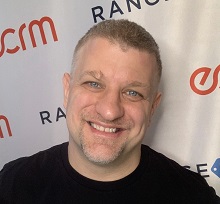
As bp's Head of Guest Experience, Derek Gaskins leads the company's merchandising, marketing, foodservice, own brands, store design and development teams to deliver world class guest experiences across thousands of bp, Amoco, Thornton's, Travel Centers of America/TA, Arco, and ampm stores for bp US Convenience & Mobility.
This leadership position brings together the full scope of store design, merchandise assortment mix, store layout, guest offers, products and promotions to drive profitable sales and superior consumer experiences across 10K bp locations.
During the ECRM/retailmediaIQ Convenience Store Summit, held during ECRM’s Convenience Session in Destin, Fla., he sat with ECRM’s SVP of Retail Wayne Bennett for a fireside chat in which he shared how bp is navigating the shifting sands of consumer behavior to provide a win-win strategy for the retailer, its suppliers and the consumers they both serve.
Four seismic shifts rocking the convenience channel
The convenience channel has long been considered recession-proof – or at least recession-resilient. But Gaskins points out that the last few years have redefined the rules. Here are the four big shifts bp is watching closely:
The redefining of convenience
The "last bastion" of physical retail—the corner bodega—is no longer insulated from e-commerce. "When you can order from Target or Amazon Prime and get it in an hour, that redefines what convenience means," Gaskins noted.
The wellness wave and GLP-1 impacts
Health and wellness aren't just buzzwords anymore; they’re impacting the bottom line. Gaskins noted that the rise of GLP-1 weight-loss drugs has created a "negative anchor" for traditional c-store staples like candy, beer, and wine.
The efficiency of the modern fleet
It’s not just EVs that are changing the game; it’s the efficiency of internal combustion engines. A 2026 Ford F-150 is roughly 30% to 40% more efficient than its 2016 counterpart. "That means you have to stop 30% to 40% less," says Gaskins. "That’s another decline in your trips."
Community dynamics and digital privacy
Gaskins touched on the impact of shifting demographics and political climates. In some regions, immigrant communities are shifting toward e-commerce to maintain a lower profile, which directly impacts foot traffic in neighborhood banners like ampm.
Defining the Guest Experience
bp is addressing these challenges head on with a focus on the guest experience. For Gaskins, this term isn't just corporate jargon – it’s a north star that dictates every promotional strategy, rewards program, and product on the shelf. "We put the guests first in terms of how we go to market, how we retail, and how we merchandise, " says Gaskins. “the guest wields that power."
This mindset shifts the focus from back-office procurement and category management to the front lines. It’s about ensuring that the experience at a Thorntons in Chicago or an ampm on the West Coast is differentiated, valuable, and – most importantly – repeatable.
The Epic Goods vision: Private label as a destination
One of bp's primary strategic drivers is Epic Goods, its proprietary brand platform. This isn't just about offering a cheaper alternative; it’s about meeting "need states" that national brands ignore. "Epic is more around differentiation than anywhere else I’ve been," Gaskins says. "The aspiration is being higher quality – as good as the national brand or better."
A case-in-point is its chocolate-covered gummy bears. When major chocolate manufacturers like Hershey and Mars took double-digit price increases, bp saw an opening. It launched an award-winning chocolate-covered gummy bear that capitalized on the growing gummy trend at a price point that didn't feel like a "meal."
Other innovations under the Epic umbrella include:
- Banana Split Lattes: A ready-to-drink coffee in a can that leans into flavor indulgence.
- "Feels Good" Wine: A house brand that plays on the "Epic Goods" name while offering differentiated bottle sizes.
- Protein Packs: Adult "lunchables" that provide fresh, on-the-go meal solutions.
Global to local: The Marks & Spencer influence
As a global entity, bp has the unique advantage of looking across the pond for inspiration. Gaskins pointed to their partnership with Marks & Spencer in the UK as a blueprint for the future of US convenience.
"In the UK, the center of the store is refrigerated, not ambient,” says Gaskins. “It's meal solutions, fresh sushi, and full shops for individuals. If I brought that to New York or DC, people would line up."
The goal for bp's merchant team is to take these global insights and reapply them in different local regions across its diverse US banners.
Winning with winners: How suppliers can get on the shelf
For brands looking to break into bp's 8,000-store network, Gaskins’ advice is blunt: Understand the channel and democratize your cost. "What 'win with winners' means is it has to be a win-win," Gaskins says. "It takes a winning supplier brand partnering with a winning retailer to create a championship atmosphere."
Following are some recommendations on what brands need to do to win with bp:
- Ditch channel-based pricing: If you’re charging c-stores more than big-box retailers, bp is not interested. "Whenever someone has channel-based pricing, I'm closing my ears. I don't want to listen to you," Gaskins warns.
- Differentiated innovation: Don't just bring another energy drink. Bring something that solves a need-state. Gaskins cited Black Buffalo (tobacco-free nicotine) and Bang Energy (in its prime) as examples of brands that won by being different.
- Scale for complexity: bp operates in 47 states, each with different laws and tax structures. Suppliers need to understand this "fragmented but unified" supply chain.
The bottom line
Derek Gaskins’ message to the industry is clear: the convenience stores of tomorrow won't survive on its traditional mainstays. To combat declining trips and shifting consumer habits, retailers must become "food-forward" destinations that, while they may be fueled by what he refers to as the "three “-ine’s": caffeine, nicotine, and gasoline, they must be anchored by a guest experience that is simple, amplified, and undeniably differentiated.